
Product Knowledge
How to Choose a High-speed Cable Assembly Line for Your Production Needs
Start with the cable assembly and the equipment boundary
Choosing a high-speed cable assembly line starts with the product you need to manufacture and the operations you want the equipment to perform. Here, high-speed refers to data-cable applications; it does not define the machine's production rate.
Provide the cable and connector drawings, revision numbers, representative samples, and incoming component format. Describe the required output from the equipment: prepared conductors, a soldered termination, or a later stage of assembly. These are different delivery boundaries, even when suppliers use similar terms such as cable assembly machine, equipment, or line.
Record which operations your factory will retain. A custom line must fit the work that happens before loading and after unloading, including handling and inspection.
Separate preparation, soldering, and assembly requirements
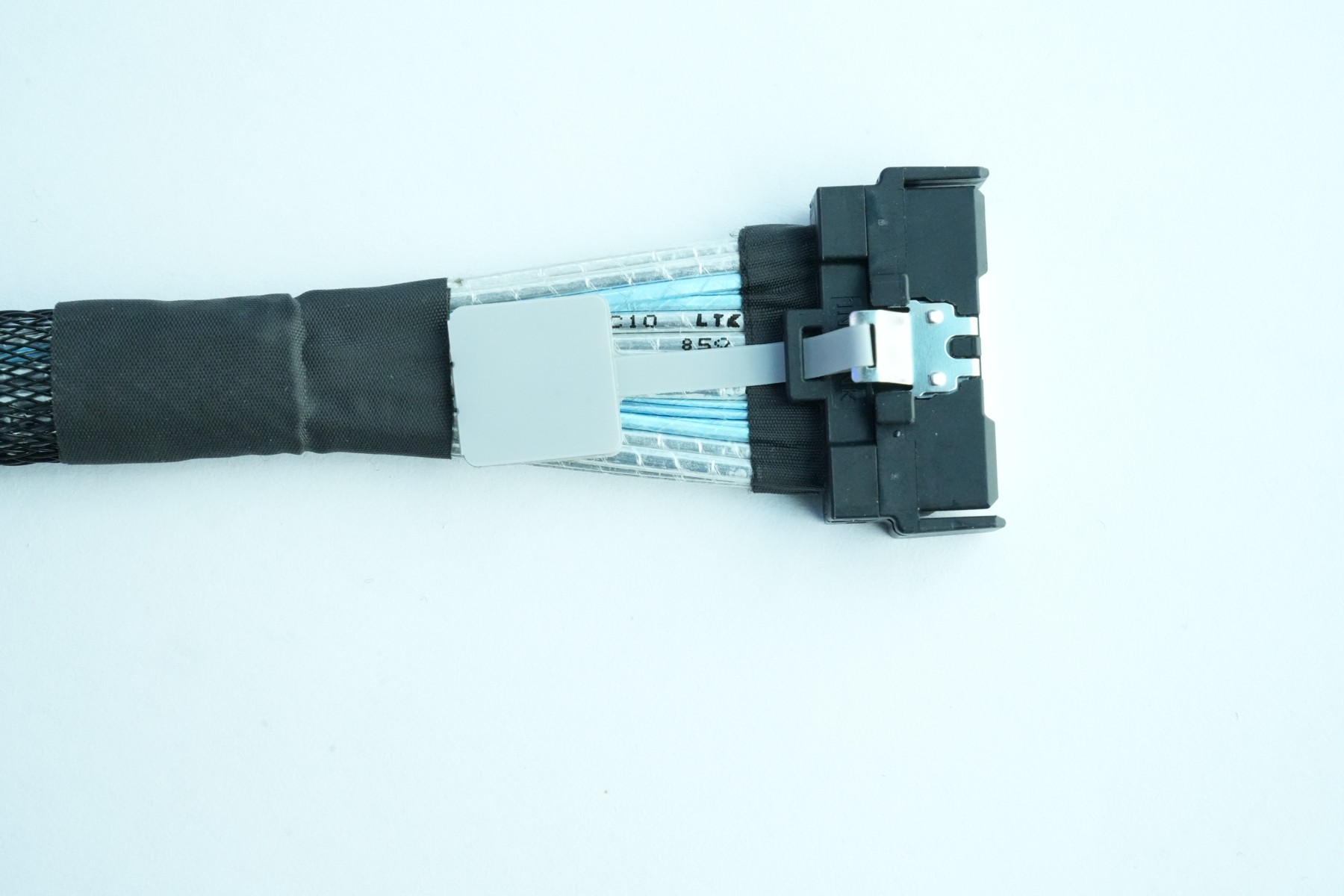
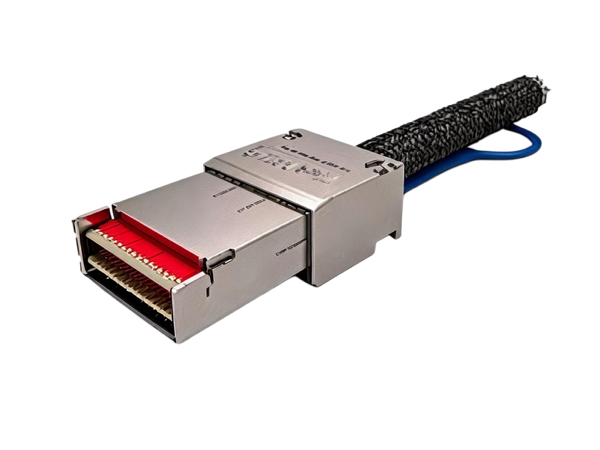
A preparation line and an assembly line should be compared by their documented operations, rather than treated as interchangeable configurations. MIJOINT has separate CDFP preparation and CDFP assembly equipment pages; those pages describe different equipment scopes.
The documented MCIO wire-preparing and Hot Bar soldering line includes semi-automatic wire arrangement and manual unloading. Its automated processing stages therefore do not mean that every operator task has been removed. When comparing cable assembly automation proposals, identify manual work at each interface as well as the automated stations.
Use a process list to agree the incoming condition, required operation, and outgoing condition at each stage. Add stripping, forming, soldering, or inspection only where the product and the proposed equipment require them.
Compare throughput and operator work on the same basis
Ask each equipment supplier to state what a quoted cycle time measures: a station operation, one end of a cable, a fixture, or a completed assembly. Compare expected good output over a defined production period, including loading, unloading, replenishment, planned stops, and rejected parts.
Keep cycle time, yield, first-pass acceptance, and equipment availability separate. A fast station does not establish the output of a complete line, and an overall efficiency figure is not a substitute for the agreed acceptance criteria. Define the product mix and staffing assumptions alongside any capacity estimate.
Define changeover work and the interfaces to other equipment
List the changes needed between product variants: a program selection, fixture replacement, tooling adjustment, material change, or a combination of these. Agree when changeover timing starts and ends, including first-piece approval. This avoids comparing a recipe switch with a more extensive line conversion.
Check the physical loading and unloading interfaces, fixture transfer, utilities, and required production-data exchange. A modular platform can support equipment combinations, but the proposed combination still needs a defined process and interface scope. Do not assume that another cable size or connector can be introduced without engineering changes.
Agree a sample-based equipment acceptance plan
Compare proposals against the same drawings, incoming materials, and sample set. Agree which product variants will be demonstrated, what counts as an acceptable output, how defects will be recorded, and which tests belong to the equipment scope.
Include the planned operator tasks, changeover demonstration, fault recovery, documentation, and service scope in the review. Calculate investment returns from your production assumptions and quoted costs; a generic claim about labor savings is not evidence of the return for your project.
Review equipment by its documented scope
Use MIJOINT's high-speed cable assembly equipment pages to review existing equipment types. For an MCIO preparation and soldering requirement, see the MCIO wire-preparing and Hot Bar soldering line. For CDFP projects, review the CDFP cable preparing line separately from the CDFP cable assembly line.
To discuss custom equipment, share your drawings or samples and production requirements, including component supply format, the operations to automate, and the assembly and inspection requirements. This gives the equipment discussion a defined starting point.