
Product Knowledge
What is an Automatic Connector Assembly Line and How Does It Enhance Efficiency?
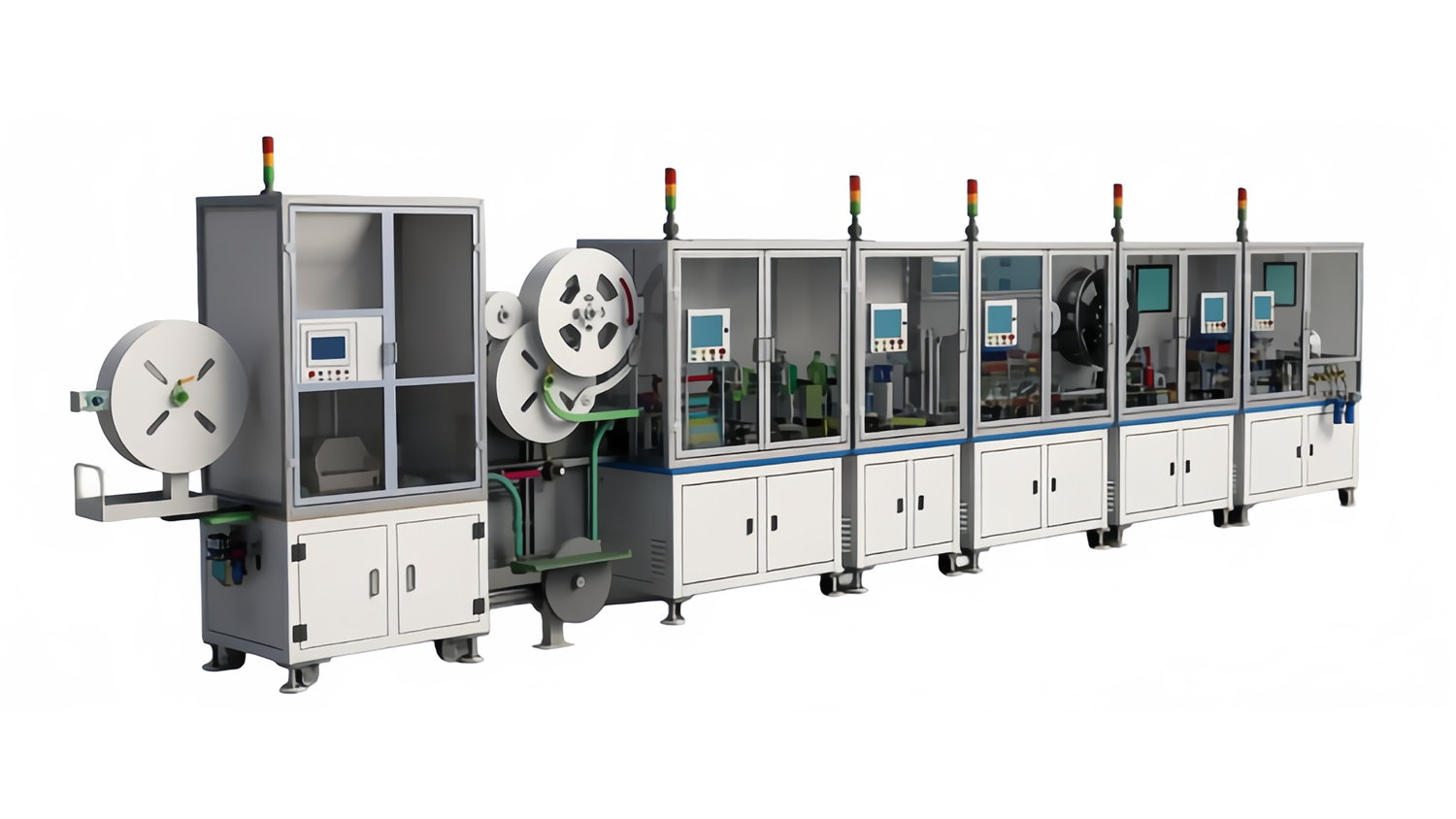
An automatic connector assembly line links the operations needed to manufacture a defined connector product. Depending on its design, this can involve feeding components, positioning and assembling parts, joining or forming features, inspection, and packaging. The sequence is built around the connector drawings and supplied components; it is not a single standard process for every connector.
For manufacturers evaluating connector assembly equipment, the practical question is which operations can be automated reliably for their product, and how the proposed line will perform under agreed production conditions. This guide explains that workflow and how to assess its effect on efficiency.
What Is an Automatic Connector Assembly Line?
The line combines dedicated stations and a transfer system so that parts move through the required assembly and inspection steps. A complete line may include automated feeding and packaging, while a smaller project may automate selected operations. The project scope identifies how parts enter and leave the line, along with operator tasks such as replenishment and changeover. Automatic processing does not mean that production needs no operator support.
First distinguish two different manufacturing tasks. Connector manufacturing assembles the connector itself from its components. Cable or wire harness assembly connects prepared wires or cables to connectors. Cutting, stripping, and crimping can belong to the latter workflow, but they are not required stages in every connector manufacturing line. Mixing these tasks can lead to an unsuitable equipment specification.
How Does the Assembly Process Work?
The steps below describe functions to discuss with an equipment supplier, rather than a fixed sequence that applies to every project.
Component Feeding and Positioning
Identify how each component reaches the machine: for example, in a tray, on a carrier strip, or as individual parts. Component orientation, delivery consistency, and access for replenishment affect the feeding concept. Fixtures and positioning methods must match the connector geometry and the operation being performed.
Assembly and Product-Specific Operations
The required stations follow the connector design. Assembly can involve positioning housings or subassemblies, inserting terminals or clips, and pressing components together. The required operations depend on the connector structure. Welding, soldering, forming, or other operations belong in the specification only where the product requires them. The joining method, tooling, and process settings need to match the specified materials and joint requirements.
Inspection and Handling of Rejected Parts
Define what must be checked and where. Vision inspection checks defined visible features and assembly conditions. Electrical testing checks specified electrical characteristics. The inspection plan identifies which features and defects each method covers. Agree on the inspection criteria, sample parts, handling of rejected assemblies, and how results will be reviewed during acceptance.
Output, Packaging, and Production Records
The completed assembly needs an agreed output format, such as a tray or a packaging process suited to the product. If production records or factory-system connections are required, specify the information, interfaces, and responsibilities as part of the project.
How Can Automation Improve Manufacturing Efficiency?
Automation can reduce repeated handling, coordinate connected operations, and make selected assembly conditions more consistent. The result depends on the product, station balance, material supply, maintenance, and operating practices. A short machine cycle alone does not establish the number of acceptable connectors produced over a shift.
When comparing the current process with a proposed line, record the same measures under comparable conditions:
- Good output: acceptable connectors produced during the agreed operating period, with rejects and rework identified.
- Operator involvement: time spent on loading, replenishment, unloading, checks, and recovery from interruptions.
- Changeover: the tasks and time required to switch between the specified product variants and confirm the first acceptable parts.
- Production interruptions: material shortages, feeding issues, station faults, and other causes of lost operating time.
Use these observations to assess whether the proposed line meets the production requirement and where it changes the current process. Any quoted performance should state the product, configuration, material conditions, and acceptance method to which it applies.
Equipment Examples for Different Connector Requirements
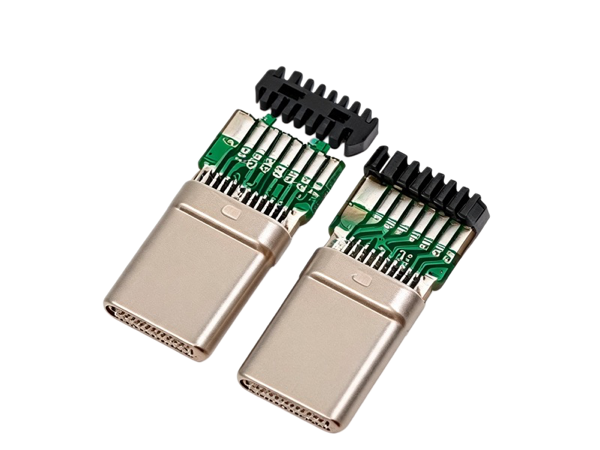
MIJOINT develops custom automation equipment and production lines for connector manufacturing. The following existing equipment pages illustrate different project scopes; they are not interchangeable standard models.
- SAS Connector Assembly, Inspection & Packaging Line: integrates loading, assembly, and inspection for SAS connectors. Program switching supports different part numbers within the same SAS product structure. Compatibility is evaluated against the specified part numbers.
- B901 Connector Assembly, Inspection & Packaging Line: integrates laser processing, automated optical inspection (AOI), and precision pressing for flexible interposers and precision connectors.
- Clip Pin Insertion & Packaging Machine: a standalone machine for connector clip insertion, with AOI vision guidance and tray loading and unloading. Its scope is a defined insertion and handling task rather than a complete connector manufacturing line.
What Should You Prepare for a Custom Line Proposal?
Start with connector drawings or representative samples, the component supply format, and the assembly sequence you want to automate. Provide the product variants, expected production mix, current difficulties, target output, and inspection or acceptance requirements. Identify which operations currently depend on operators and which should be included in the automation scope.
For projects involving several part numbers, see how to choose connector assembly equipment for multiple models. The differences between those parts determine the compatibility, tooling, and changeover work that need to be evaluated.
To discuss an automatic connector assembly line, share your connector and production requirements with MIJOINT. The project discussion should establish the included operations, manual tasks, inspection scope, and acceptance conditions before the equipment configuration is finalized.